
STYLE PLUS DESIGN · INSIGHTS
What to Expect During Jewelry Sampling
A clear guide to sample reviews, revisions and approvals.
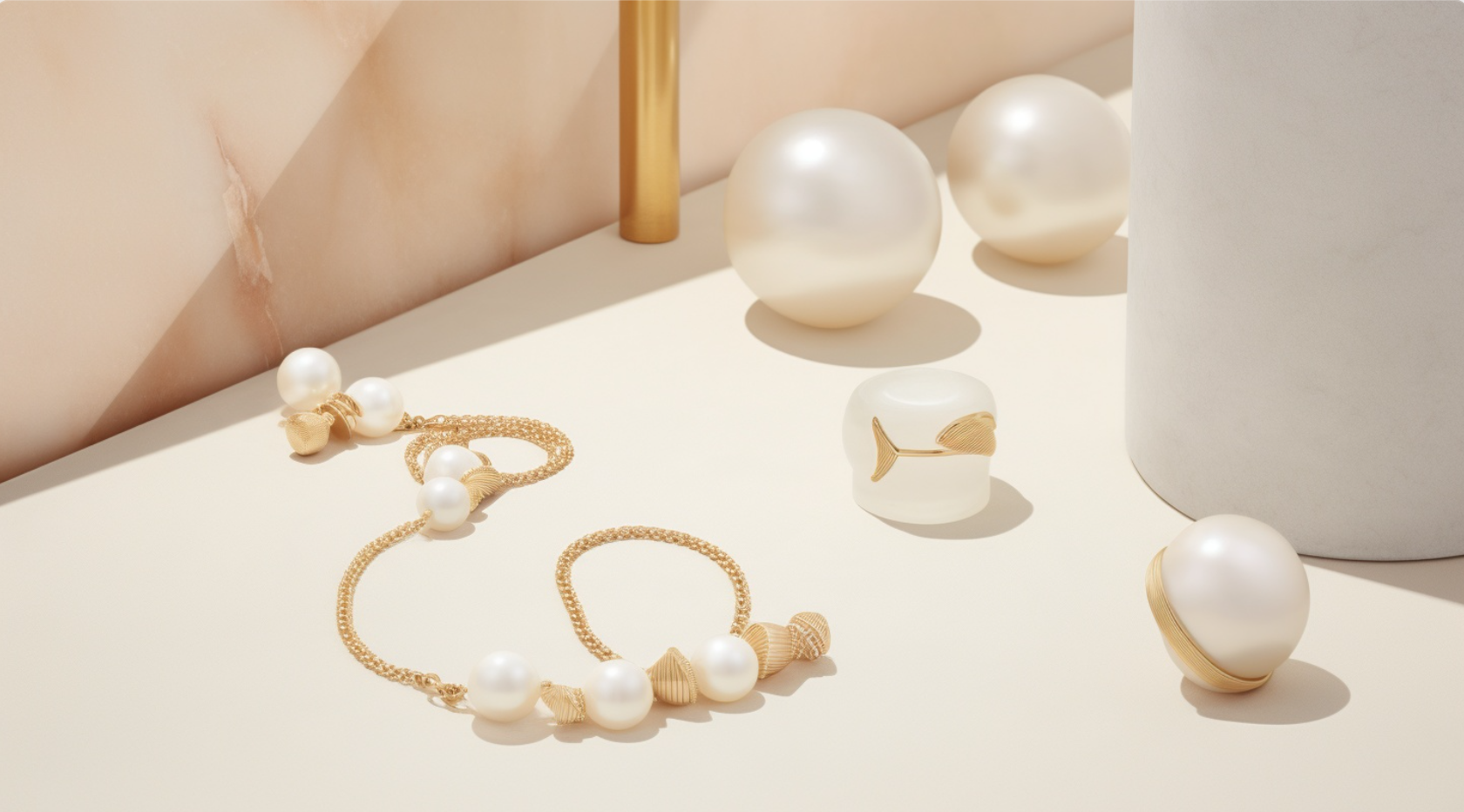
What to Expect During Jewelry Sampling. For independent labels and product teams, every collection benefits from a clear starting brief. Define the intended customer, visual references, target quantities, preferred materials, budget priorities and any non-negotiable details before production conversations begin.
Start with the design intent. Reference images help communicate proportion and mood, but they are not manufacturing drawings. Where important, confirm dimensions, functional tolerances, attachment details and construction with sketches or technical specifications. A physical sample is useful for reviewing appearance, wearability and consistency.
Next consider practical material and finishing decisions. Stainless steel, sterling silver, brass and zinc alloy have different processing characteristics and commercial implications. A finish that looks similar in a photograph may involve a different substrate, coating or tooling requirement. Discuss these choices with a manufacturing partner rather than assuming that every rendering can be produced identically.
Sampling should resolve open questions, not simply produce a beautiful object. Note changes in a versioned review document; compare revisions against the same approved reference and record decisions on color, finish, dimensions and packaging. This helps make production discussion more efficient.
When planning a launch, separate essential products from experimental styles. This allows a brand to validate its assortment while reserving time for technical review. Minimum order quantities and timelines depend on style, tooling, components and production schedules, so request a product-specific quotation.
Style Plus Design supports discussions around development, sourcing and manufacturing. If you have a concept, moodboard or sample reference, share your intended materials, quantity and timing so the team can assess feasible next steps. All imagery used in this demonstration article is illustrative and should be replaced by verified company assets before public claims are made.