The Design Direction
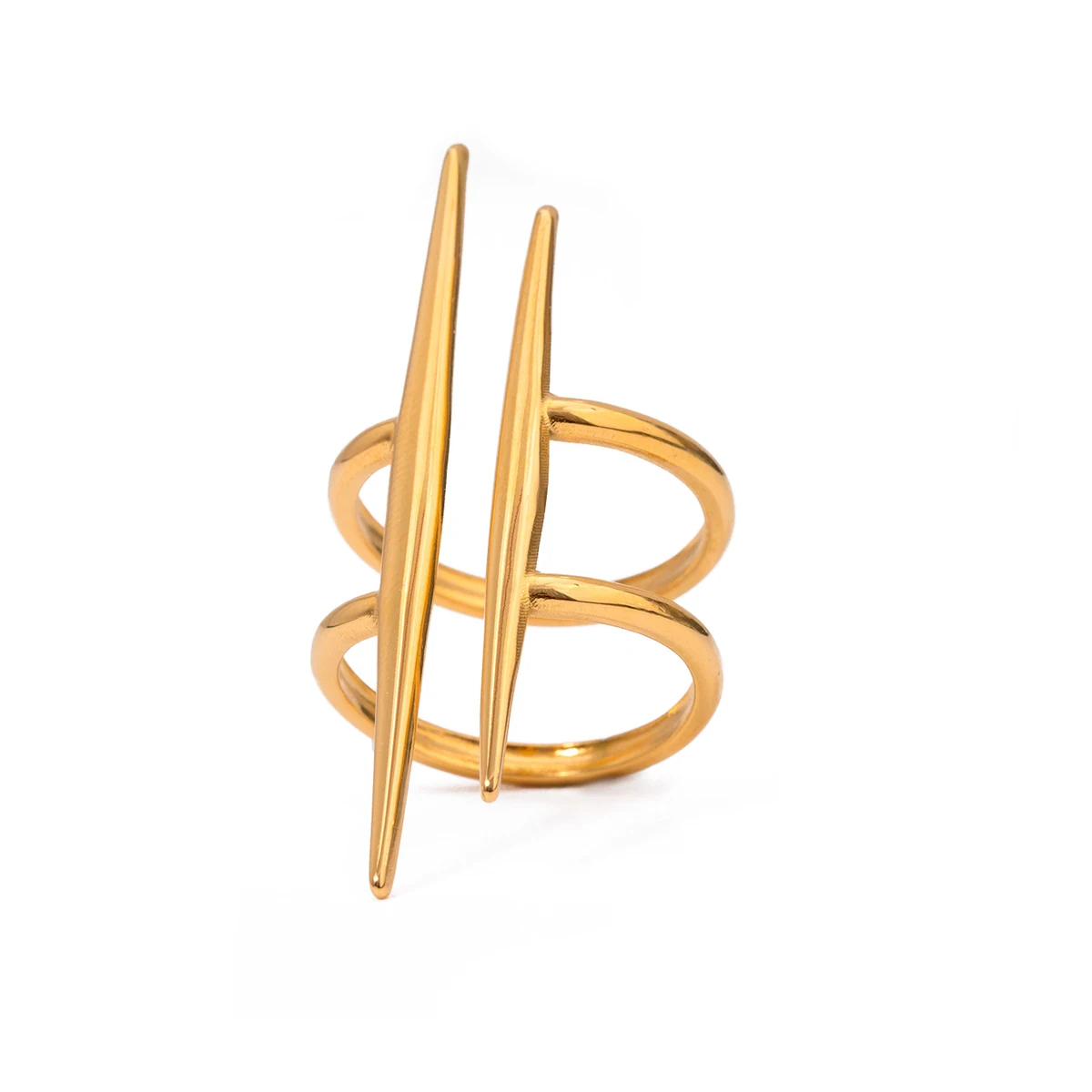
Metal jewelry is moving beyond simple decorative shapes toward designs that emphasize structure, volume, and visual expression.
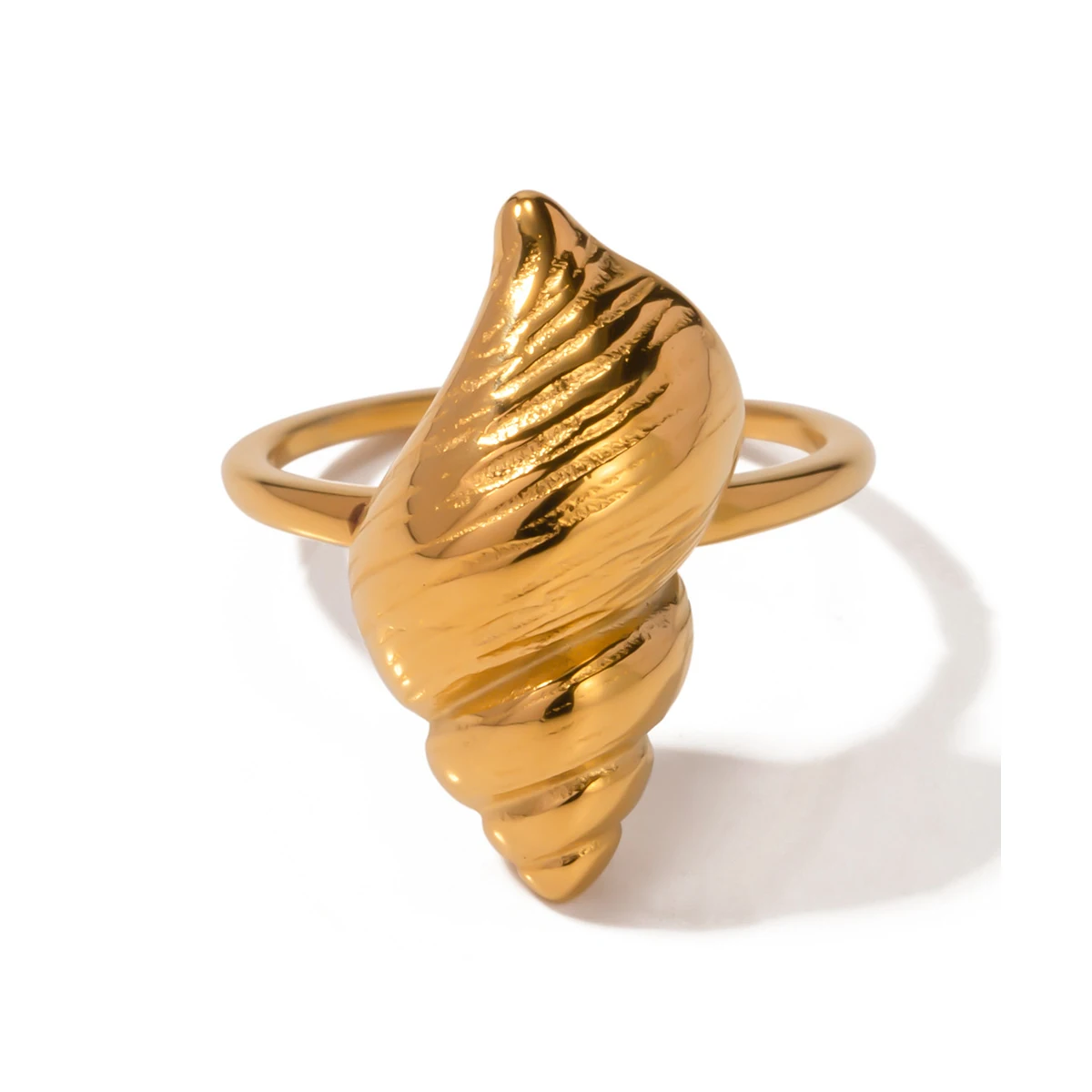
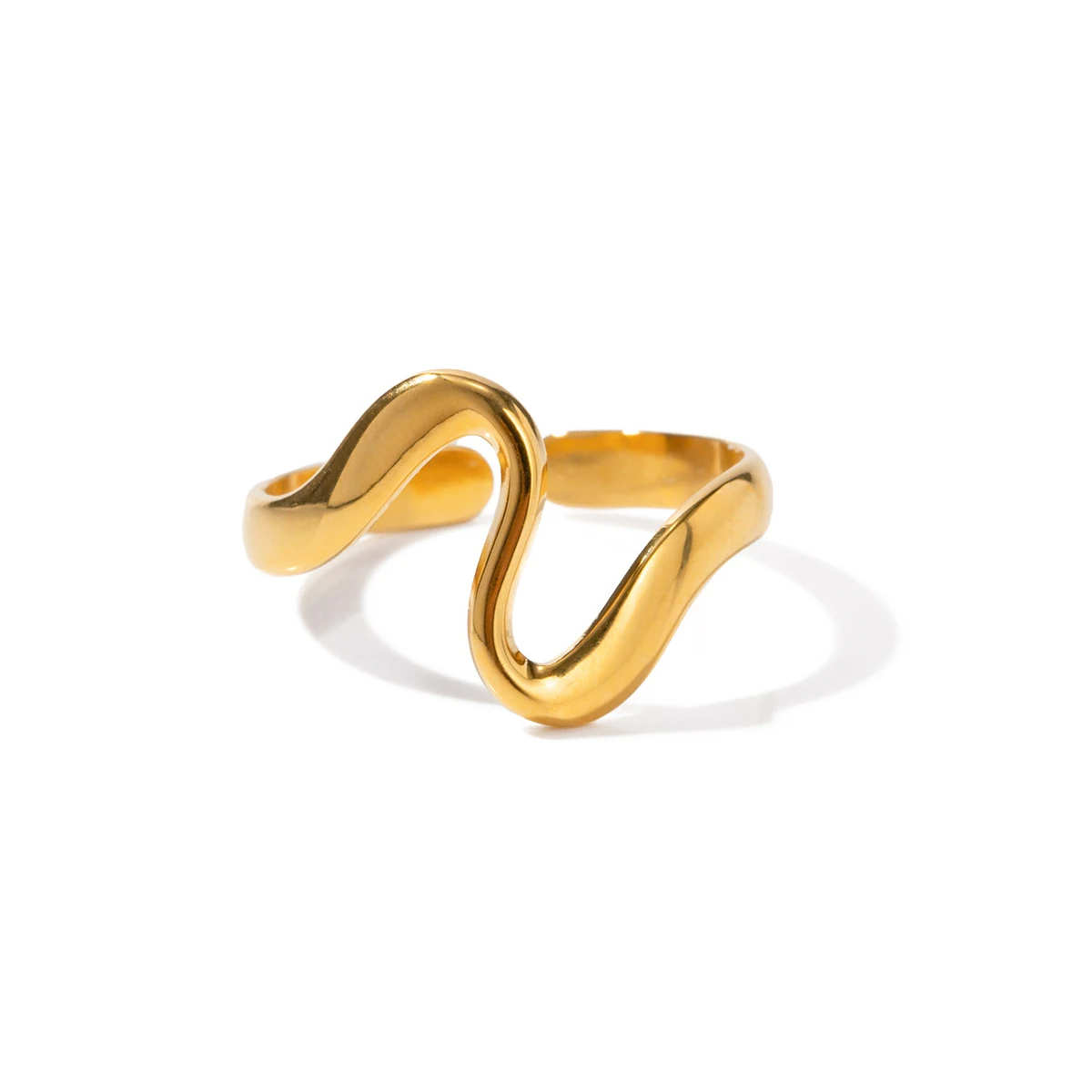
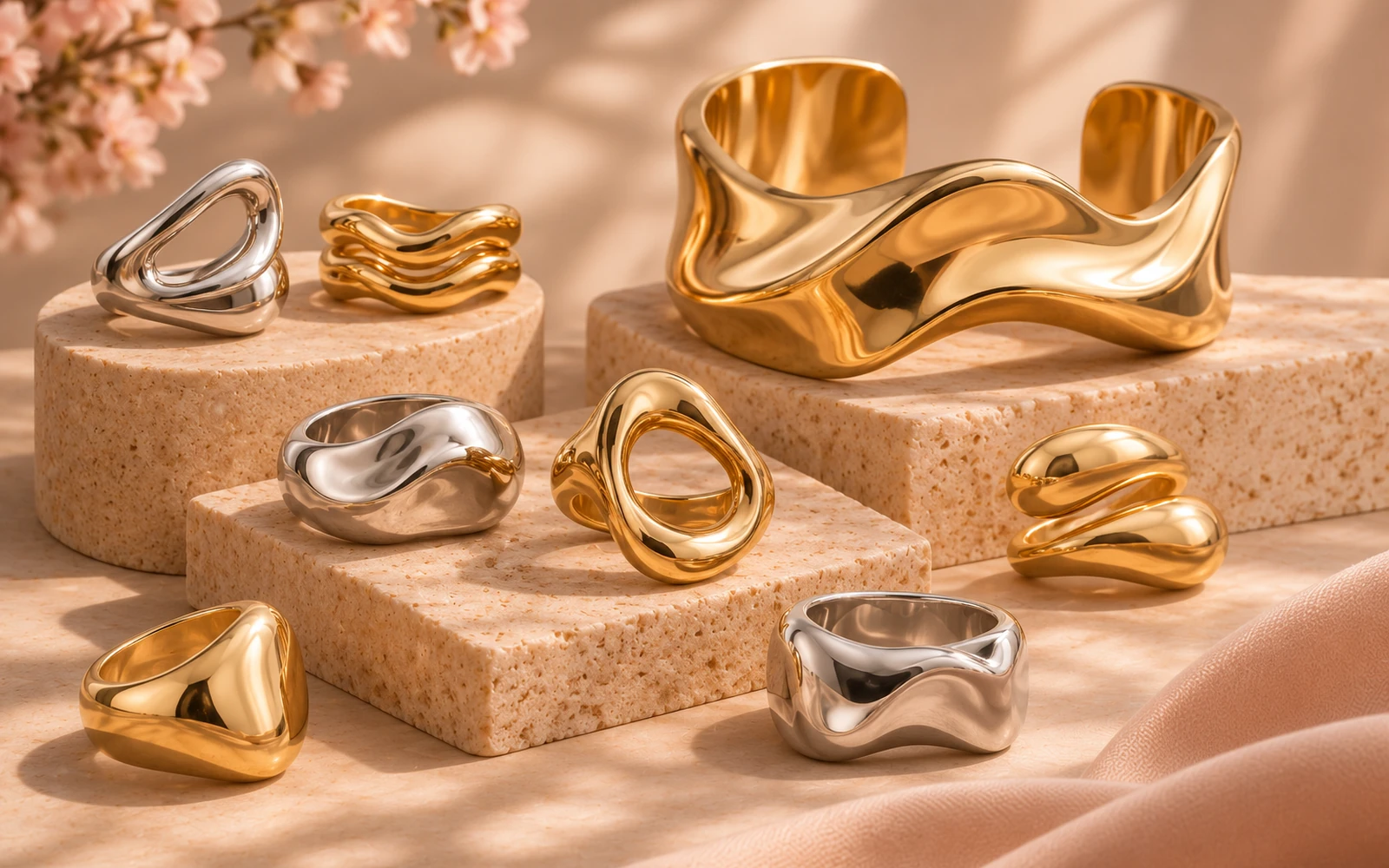
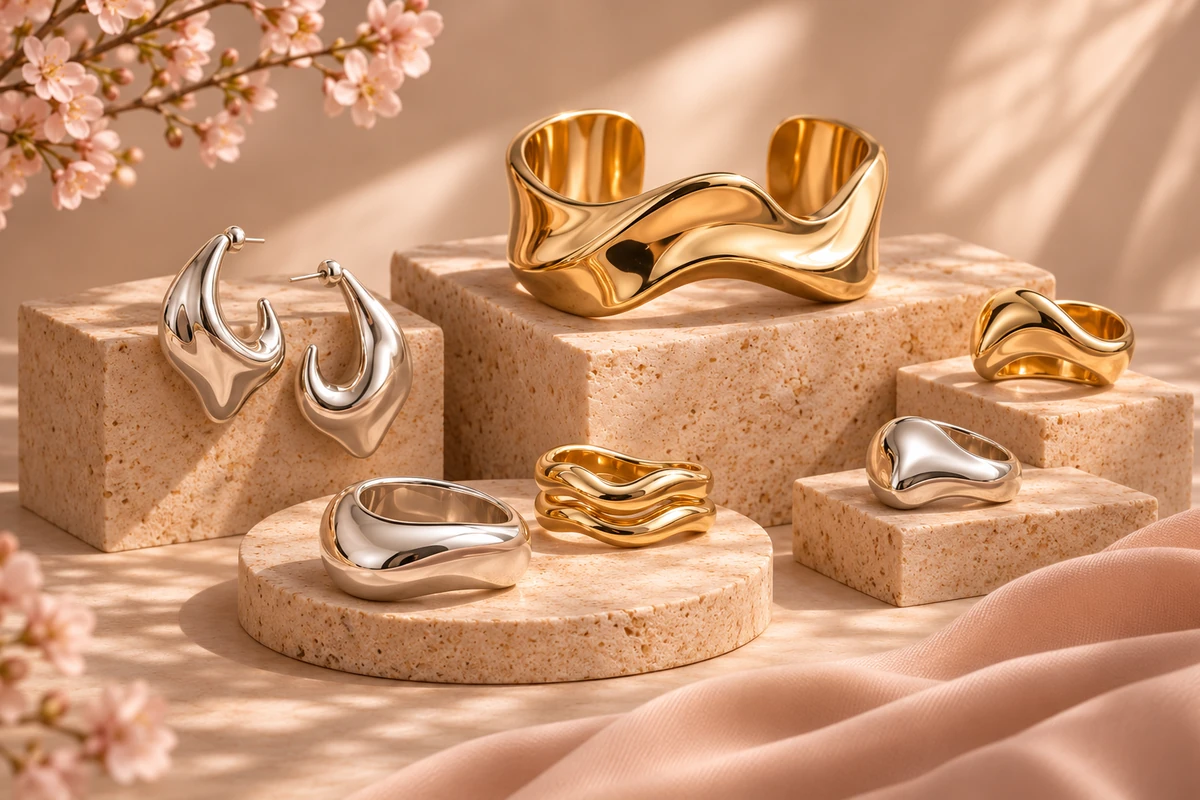
Smooth curves, organic silhouettes, oversized forms, and architectural details can turn familiar jewelry categories into distinctive statement pieces.
For brands, sculptural jewelry offers an opportunity to build a recognizable aesthetic through shape rather than relying entirely on gemstones or decorative elements.
A well-developed metal form can become the foundation for an entire collection.
Key Design Elements
Fluid Silhouettes
Soft curves, folded forms, and wave-inspired surfaces create a sense of movement. These shapes can work particularly well in rings, earrings, and cuffs.
Bold Proportions
Domed rings, chunky hoops, and wide bracelets create a strong visual presence. Careful attention to weight and comfort is important when translating larger shapes into wearable products.
Surface Contrast
Polished, brushed, matte, and textured finishes can create distinctly different expressions from the same underlying design.
Mixed Metal Effects
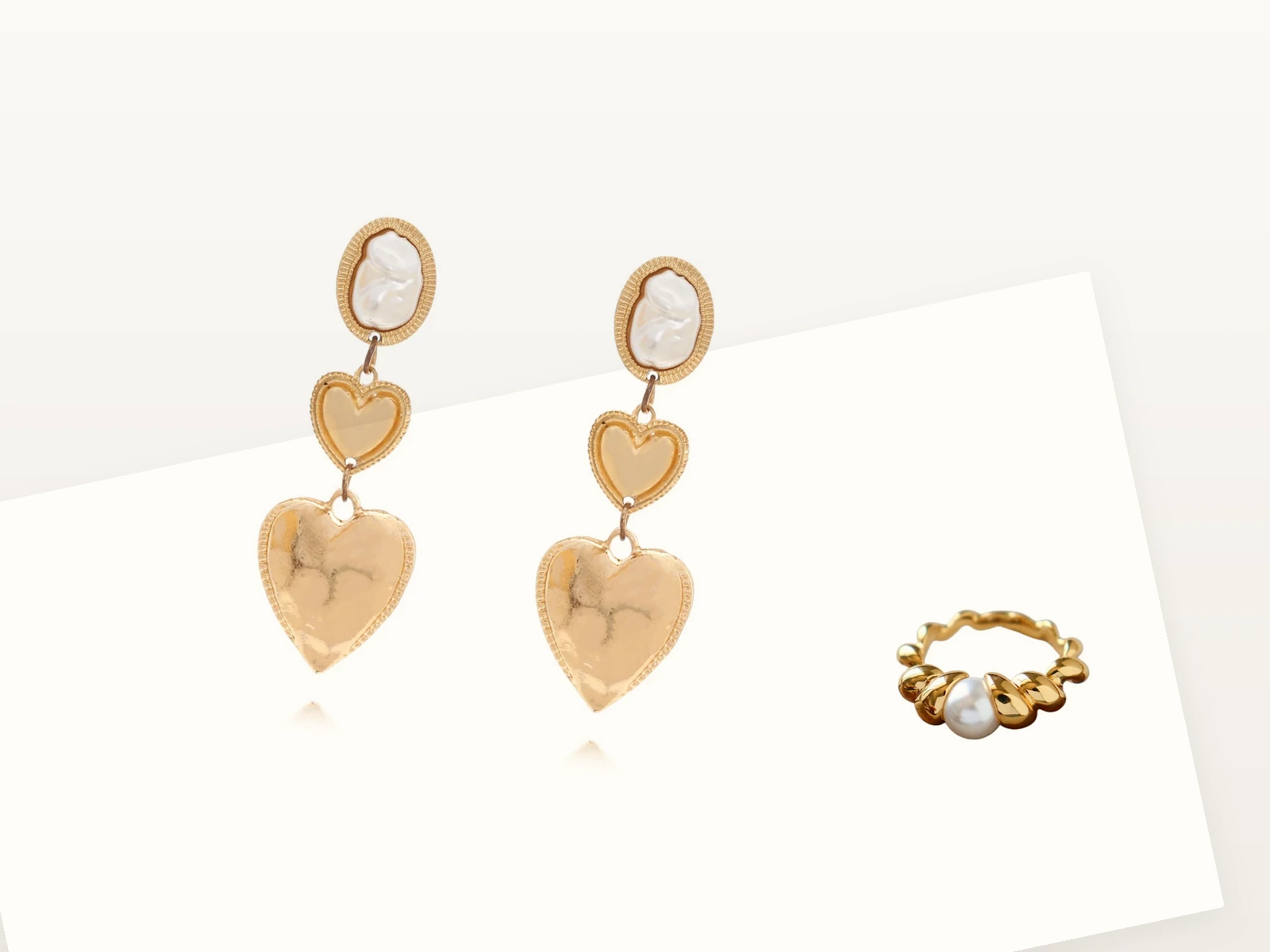
Gold-tone and silver-tone combinations offer another way to introduce contrast without changing the primary silhouette.
Product Development Opportunities
Sculptural metal concepts can be developed across several jewelry categories:
- Organic dome rings
- Fluid statement earrings
- Wide metal cuff bracelets
- Geometric pendant necklaces
- Twisted metal hoop earrings
- Minimal architectural bangles
A signature curved form could appear as a ring, pendant, and earring set, creating a unified collection language.
Materials & Manufacturing Considerations
Material selection should follow the intended structure, appearance, and manufacturing process.
Stainless steel, brass, sterling silver, and other metal options each have different characteristics that affect fabrication, forming, finishing, weight, and cost.
Highly dimensional designs may require careful evaluation of wall thickness, edges, structural strength, and wearability.
For larger pieces, sampling is particularly valuable. A design that looks impressive in a rendering may need adjustments to achieve the desired balance between visual impact and everyday comfort.
Surface finishing should also be reviewed carefully, especially on broad reflective areas where imperfections may be more noticeable.
Building a Signature Collection
A strong sculptural jewelry collection can begin with one defining element, such as a flowing curve, folded edge, or rounded geometric form.
That element can then be adapted into different product categories while maintaining a consistent aesthetic.
Rather than introducing too many unrelated shapes, brands can focus on a few well-developed silhouettes and explore material, finish, and size variations.
This allows each product to feel distinctive while remaining part of the same design family.
Develop Your Next Statement Collection
Style Plus Design works with brands exploring custom jewelry manufacturing, material options, sampling, and product development.
From initial design references to manufacturing discussions, we help translate creative ideas into practical development plans.
Have a sculptural jewelry concept in mind? Let's explore how to bring it to life.